Who is Most Likely at Risk of Having a Stroke?
Anyone can be at risk of having a stroke, but people with the following characteristics have a higher risk:
- People aged 55 years or older
- Male
- African American
The following conditions and lifestyle choices can also increase the chances of having a stroke. It is important to be aware of your risks and take steps to reduce it if possible.
- High blood pressure/hypertension
- Diabetes
- Coronary Artery Disease (CAD)
- Family history of stroke
- Obesity
- Smoking
- Sedentary lifestyle
- Excessive alcohol consumption
How are Strokes Diagnosed?
The diagnosis of a stroke typically requires a physical exam, laboratory tests, and diagnostic imaging.
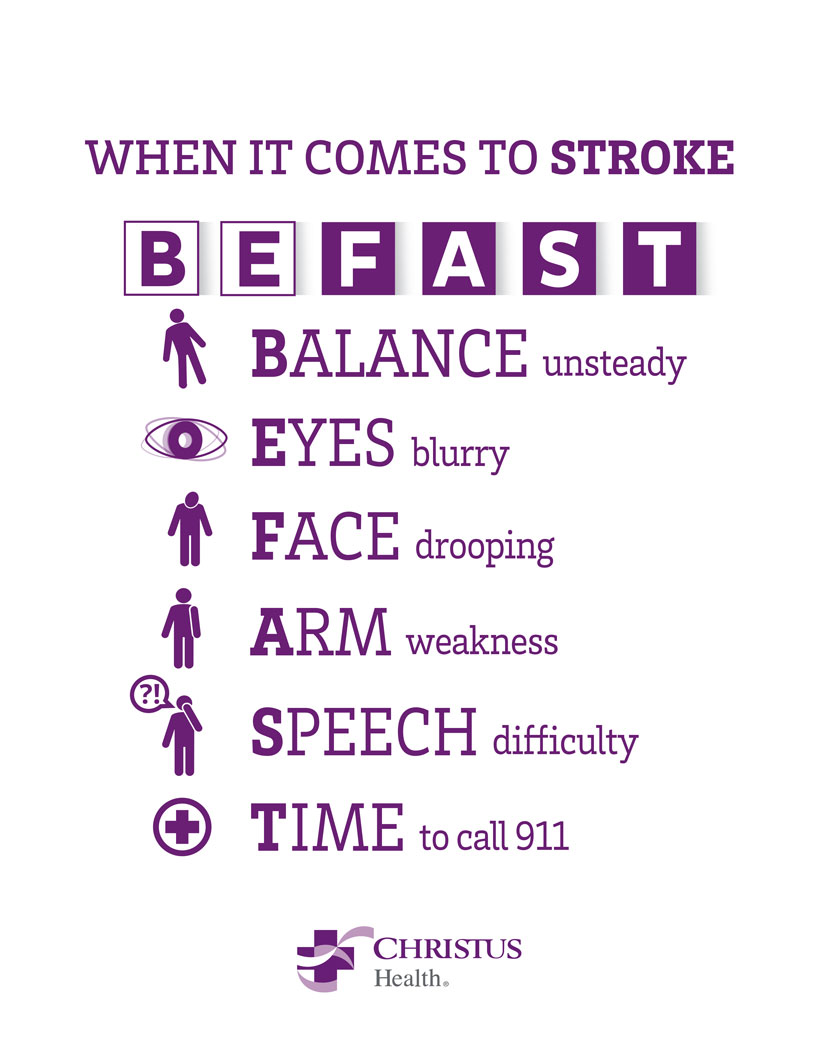
Physical examination: A physical examination may include evaluating the patient’s ability to move or feel on one side of the body. They will also check for speech and language problems.
Laboratory tests: Laboratory tests check for abnormal blood clotting, cholesterol levels, and other signs of cardiovascular problems.
Diagnostic imaging: Diagnostic imaging tests such as computed tomography (CT) scans, and magnetic resonance imaging (MRI) can help determine the size, location, and extent of a stroke.
An angiogram may also be performed to examine blood vessels in the brain more closely. This is done if the cause is not clear.
Different Types of Strokes
The different types of strokes include ischemic stroke, hemorrhagic stroke, transient ischemic attack (TIA), and subarachnoid hemorrhage.
Ischemic stroke: Ischemic stroke occurs when an artery supplying blood to the brain becomes blocked by a blood clot or other material. This causes a lack of oxygen to the brain, leading to cell damage or death.
Hemorrhagic stroke: Hemorrhagic stroke happens when a weakened artery in the brain bursts and bleeds into the surrounding tissues. This can lead to severe brain damage and even death.
Transient ischemic attack: Transient ischemic attack (TIA) is also known as a “mini-stroke” and occurs when there is a temporary blockage of a blood supply vessel in the brain. Symptoms usually last for less than an hour and typically resolve on their own. TIA can be a warning sign of a stroke occurring in the future.
Subarachnoid hemorrhage: Subarachnoid hemorrhage is a type of stroke caused by bleeding in the area around the brain. This stroke is usually caused by a ruptured aneurysm. It can also be caused by other conditions such as high blood pressure or head trauma. It is a serious type of stroke and requires immediate medical attention.
How can a Person Prevent a Stroke?
The best way to prevent a stroke is to adopt a healthy lifestyle. This includes:
- Eating a balanced diet
- Exercising regularly
- Avoiding smoking
- Avoiding excessive amounts of alcohol
- Controlling high blood pressure, diabetes, and high cholesterol
- Managing stress levels
It’s also important to get regular check-ups with your doctor and to be aware of any family history of stroke or cardiovascular disease.
If you have any risk factors for stroke, it’s important to talk with your healthcare provider about how to reduce those risks. Schedule an appointment with your healthcare provider today.